
Blog
Natural Sapphire vs Lab-Created Sapphire: What’s the Difference?

Sapphires are available in both natural and laboratory-created forms. Although they may share many of the same physical and chemical characteristics, their origins are very different.
Understanding this difference can help you make a more informed choice when buying jewellery or a loose gemstone.
At R & Q Sapphire House, we believe buyers should understand what they are purchasing before making a decision.
1. What Is a Natural Sapphire?
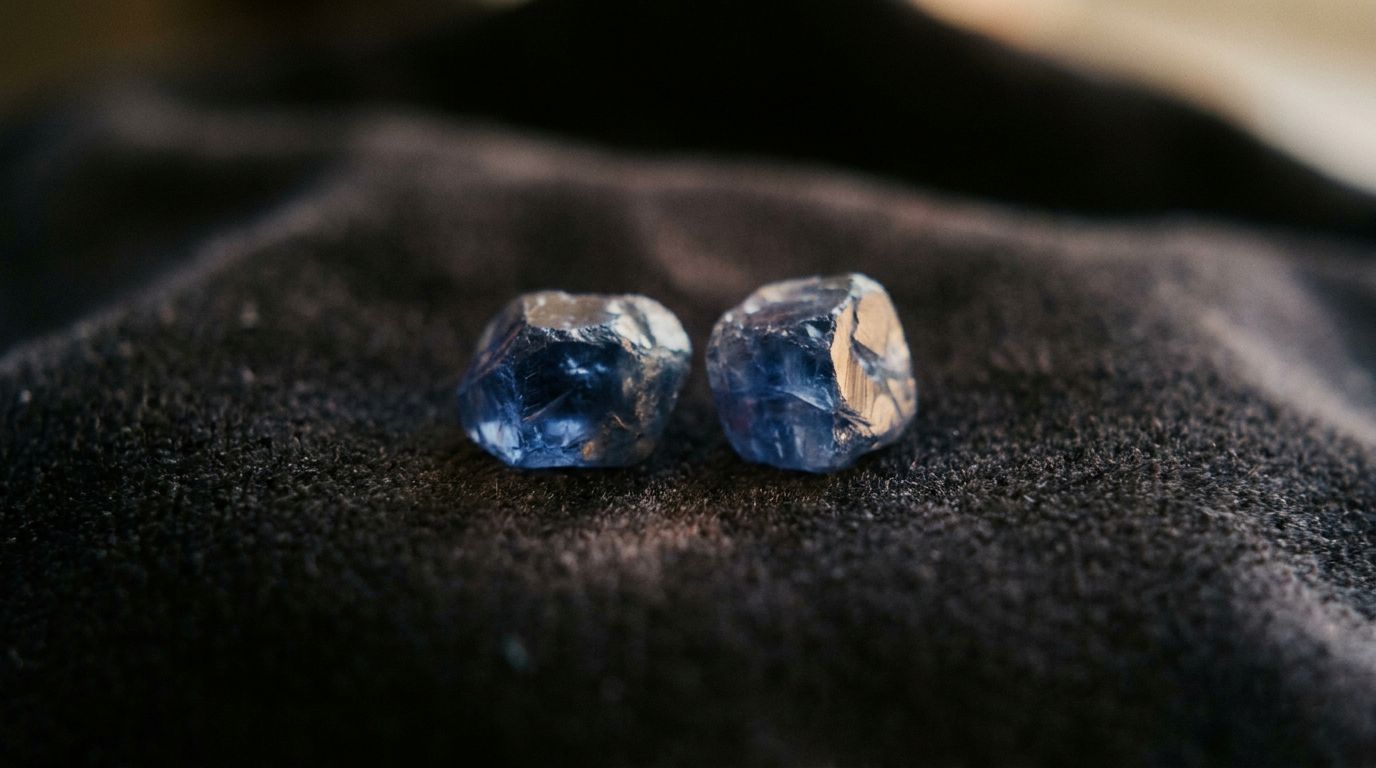
A natural sapphire forms within the earth through geological processes that take place over very long periods of time.
After being mined, a natural sapphire may be cut and polished for use in jewellery.
Natural sapphires can contain internal characteristics such as inclusions and colour zoning that developed during their formation.
2. What Is a Lab-Created Sapphire?
A lab-created sapphire is produced in a controlled laboratory environment rather than mined from the earth.
It is designed to have essentially the same mineral composition as natural corundum.
However, its origin is human-made rather than geological.
3. Can They Look Similar?
Yes.
A high-quality lab-created sapphire may look very similar to a natural sapphire, especially without professional examination.
Visual appearance alone may not always be enough to determine whether a sapphire is natural or laboratory-created.
This is one reason gemological testing can be useful.
4. Do Natural Sapphires Always Have Inclusions?
Many natural sapphires have inclusions, but the type, amount, and visibility can vary greatly.
Some inclusions may be visible to the naked eye, while others require magnification.
Lab-created sapphires may also contain growth features related to the method used to produce them.
5. What About Treatments?
Natural sapphires may undergo treatments, such as heat treatment, to improve certain aspects of their appearance.
Lab-created sapphires may also be produced or processed in ways that affect their appearance.
When purchasing either type, ask the seller for clear disclosure about the gemstone.
6. Why Does Origin Matter?
For many buyers, origin is part of the appeal of a gemstone.
A natural sapphire has formed through a natural geological process and may be valued for its rarity, individual characteristics, and history.
A laboratory-created sapphire offers a different option for buyers who prefer a gemstone produced in a controlled environment.
Neither term should be confused with imitation materials, which may only resemble sapphire without having the same mineral composition.
7. Can a Laboratory Identify the Difference?
Gemological laboratories can use specialised equipment and testing methods to distinguish many natural and lab-created gemstones.
For important purchases, an independent gemological report can provide useful information about whether a sapphire is natural or laboratory-grown.
8. Which One Should You Choose?
The answer depends on what matters most to you.
Some buyers specifically want a natural gemstone, while others may be comfortable with a laboratory-created sapphire.
The most important thing is that the gemstone is accurately represented and that you understand what you are purchasing.
Make an Informed Sapphire Choice
Natural and lab-created sapphires can both be beautiful, but they have very different origins.
Understanding those differences allows you to select a gemstone that matches your preferences and expectations.
At R & Q Sapphire House, we believe clear information and transparency are essential when choosing gemstones.
Learn about your sapphire before you buy and choose with confidence.